Joshua T. Roth

ASTROPHYSICIST · EXOPLANETS · DATA

I am an Astrophysics PhD student at Princeton University. I broadly study exoplanets, and am specifically interested in finding new exoplanetary systems, understanding the evolution and dynamics of young planetary systems, spectroscopy, and machine learning methods that help us discover signals in enormous astronomical datasets. Before my PhD, I studied physics at the University of California, Riverside while on an athletic scholarship. If you'd like to connect, feel free to reach out!

joshua.roth@princeton.edu

Princeton, NJ Astrophysical Sciences Open to collaboration
01 / RESEARCH

Questions I am exploring

A Exoplanet discovery at scale using the TESS telescope Searching TESS full-frame images for new transiting planets using high-throughput period searches, automated vetting, and machine-learning classification. TESSTransit searchesCatalogs Details

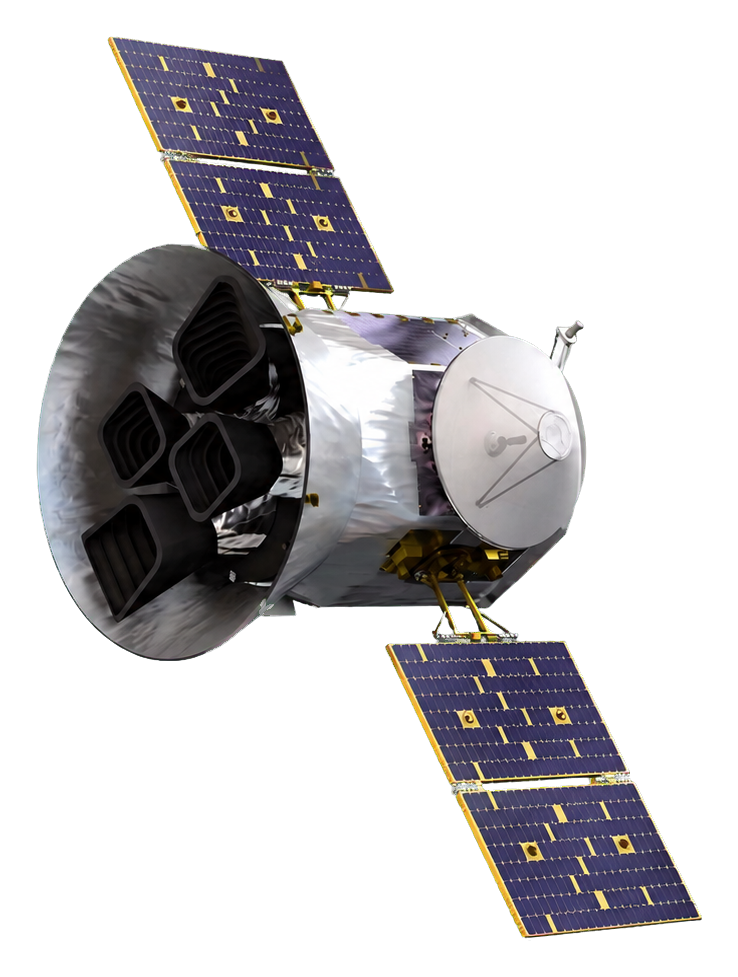
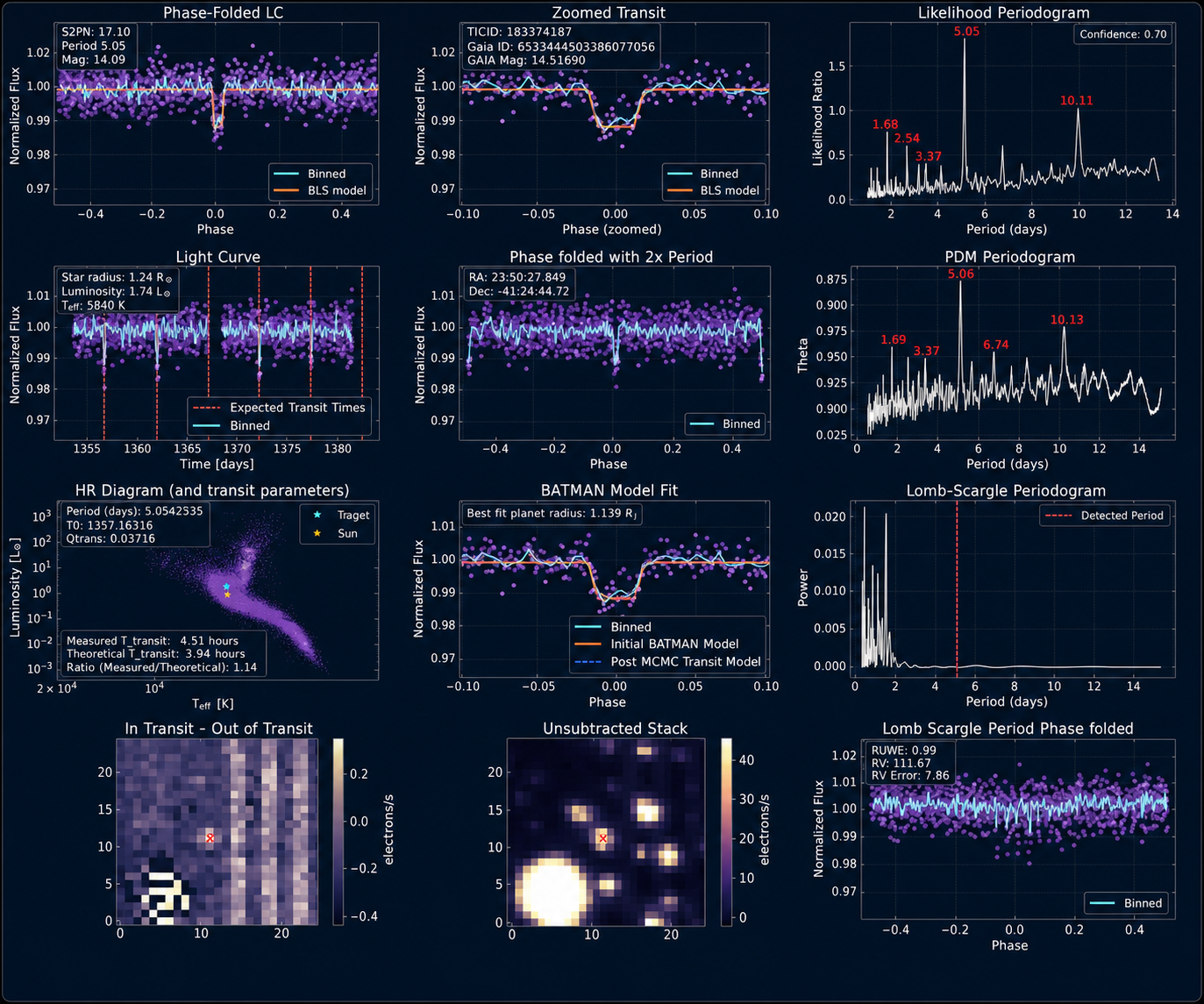
This work focuses on building reproducible machine-learning aided survey pipelines that can move from raw light curves to ranked planet candidates while keeping diagnostics inspectable. This allows the vetting of tens of millions of light curves in a reasonable amount of time, and the discovery of thousands of new planet candidates in TESS (spacecraft, shown in top plot) data. These candidates can be found here. The lower plot shows an example vetting plot for a (now confirmed) TESS exoplanet candidate identified by this search. It includes various diagnostic plots such as the folded light curve, periodogram, model fits, and image stacks.

Cutout of the TESS spacecraft
TESS provides the full-frame images used for the planet search.
Dark-mode vetting dashboard for a TESS exoplanet candidate, including folded light curves, periodograms, model fits, and image stacks
Example TESS vetting dashboard.
B Young and evolving systems - KH 15D Modeling orbital dynamics, occulting material, and spectroscopic variability in young systems such as KH 15D to understand early planetary architecture. DynamicsSpectroscopyPrecession Details

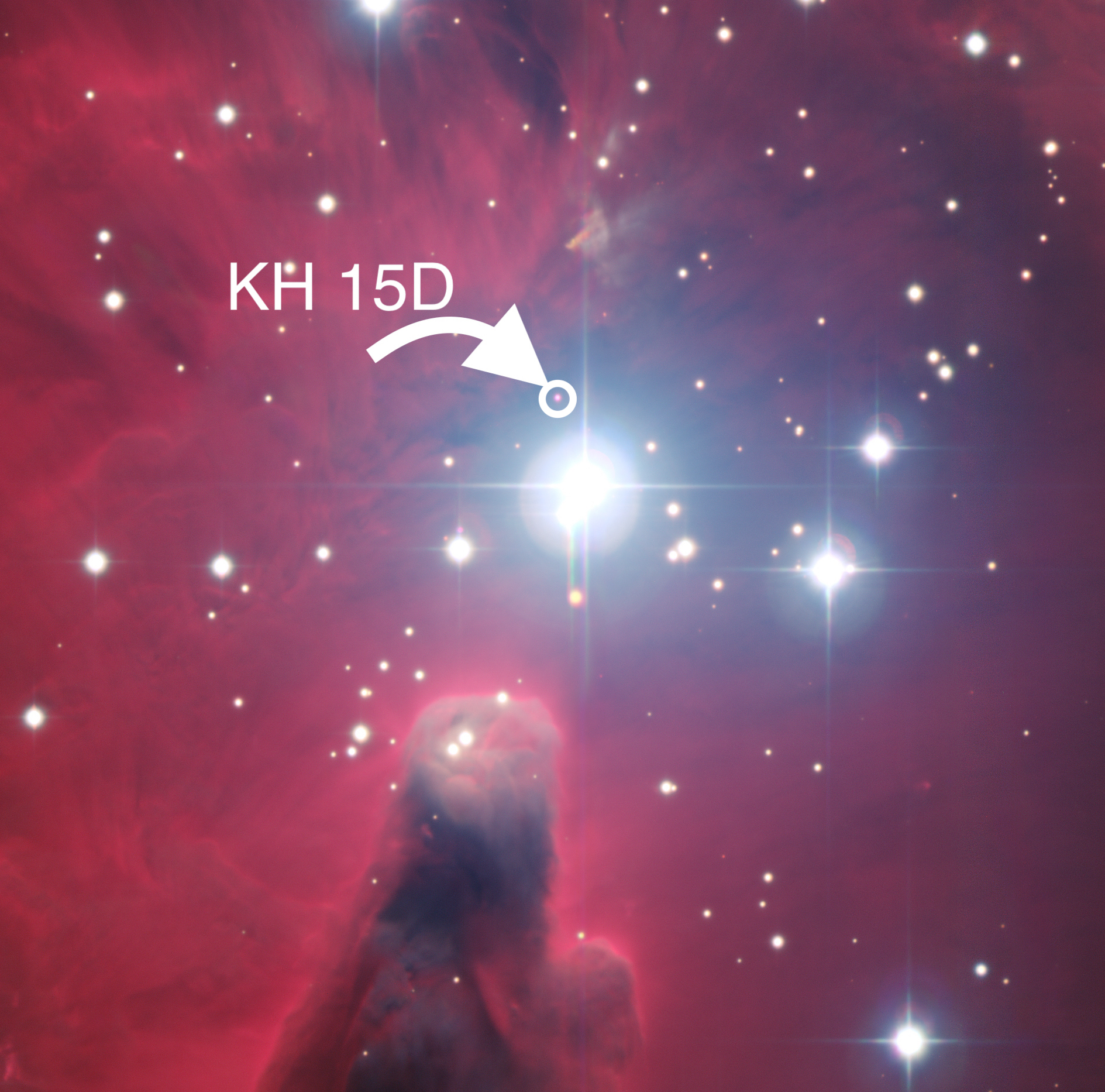
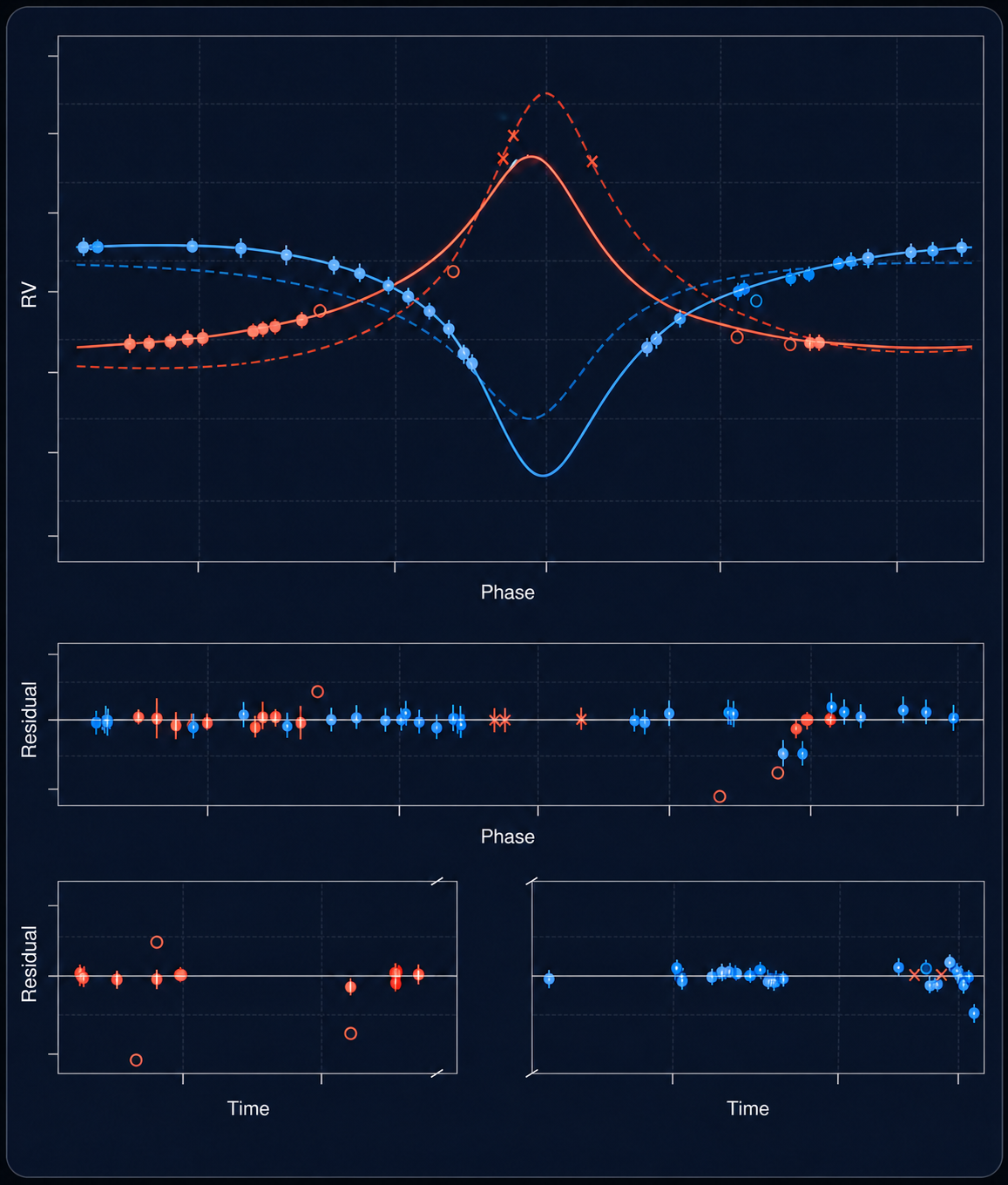
KH 15D is a fascinating pre-main-sequence binary system with a circumbinary disk that occults the stars in a changing pattern, which led to this system being called the "winking star". I study the orbital evolution of this system and its spectroscopic signatures to understand the dynamics of young binaries and their circumstellar environments, and to study whether the winking star may have a companion. The plot shows radial-velocity measurements of KH 15D over time, along with model fits and residuals. The data shown here was collected over two observing campaigns, with over 20 years of separation between them, which is why each star has two fits, corresponding the two observing periods. The unique geometry of the system and the precession of the disk lead to complex radial-velocity signatures that need to be accounted for in order to accurately model the system's orbital parameters and dynamics.

NGC 2264 image marking the location of KH 15D
KH 15D in NGC 2264.
Dark-mode radial-velocity and residual plot for KH 15D with generic axis labels and numeric ticks removed
KH 15D radial-velocity data and fits.
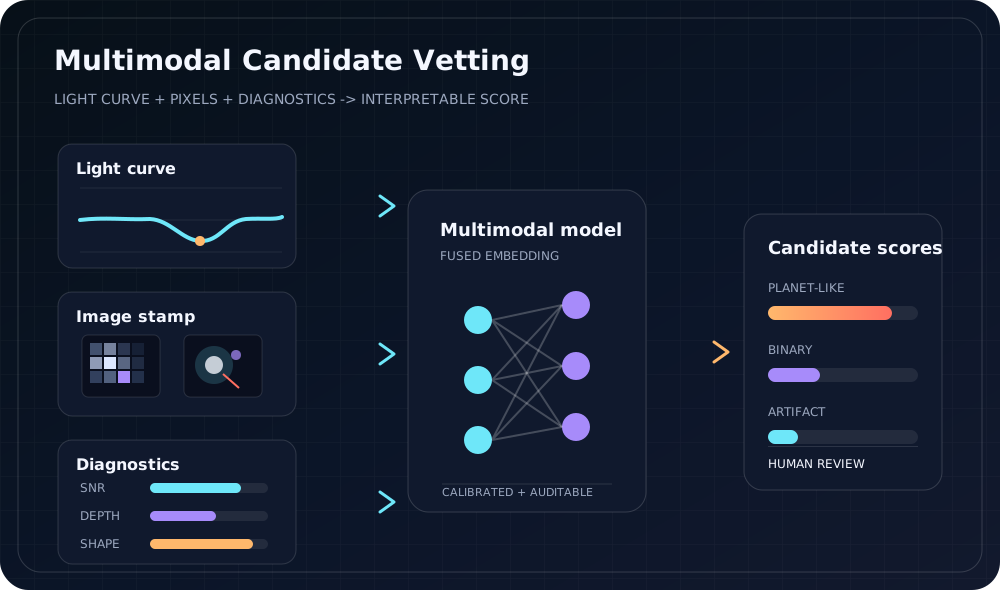
C Machine learning for astronomy Developing multimodal models that combine light curves, difference images, and tabular diagnostics while preserving scientific interpretability. PyTorchComputer visionTime series Details

While the T16 planet hunt is machine learning aided, it is not yet fully automated. I am exploring ways to combine multiple data products and machine learning algorithms like convolutional neural networks, transformers, and graph neural networks to improve classification and vetting of candidates. The goal is to create a fully automated vetting pipeline which can be applied to other surveys and datasets, while still providing interpretable diagnostics for human review.

Diagram of a multimodal candidate-vetting model combining light curves, image stamps, and diagnostics into candidate scores
Conceptual multimodal vetting flow for automated candidate review.
02 / SELECTED PROJECTS

Work in progress

2025—

The T16 Planet Hunt

A large-scale search of TESS data that has produced thousands of new planet candidates and a framework for efficient, reproducible survey vetting. Our TESS Cycle 1 search included the discovery of over 10,000 new planet candidates, while our Cycle 2 search is still ongoing.

2026—

KH 15D: a changing young binary

High-resolution spectroscopic analysis of an unusual pre-main-sequence binary, including orbital evolution, component masses, and reflected-light signatures.

2026—

Multimodal transit vetting

A neural-network architecture combining phase-folded light curves, image products, and engineered features to distinguish planets from astrophysical false positives.

03 / PUBLICATIONS

Published Papers

04 / PRESS

In the news

05 / PERSONAL A quieter corner for interests outside academia

BEYOND THE STARS

Things that keep me grounded

I like to keep a small hidden space for the parts of life that sit outside research. This is where I can share a bit about what I enjoy when I am not working on astronomy.

LET'S CONNECT

Have an interesting dataset,
system, or idea?

I am always happy to talk about exoplanets, astronomical software, scientific machine learning, and new collaborations.

joshua.roth@princeton.edu

Joshua Roth